



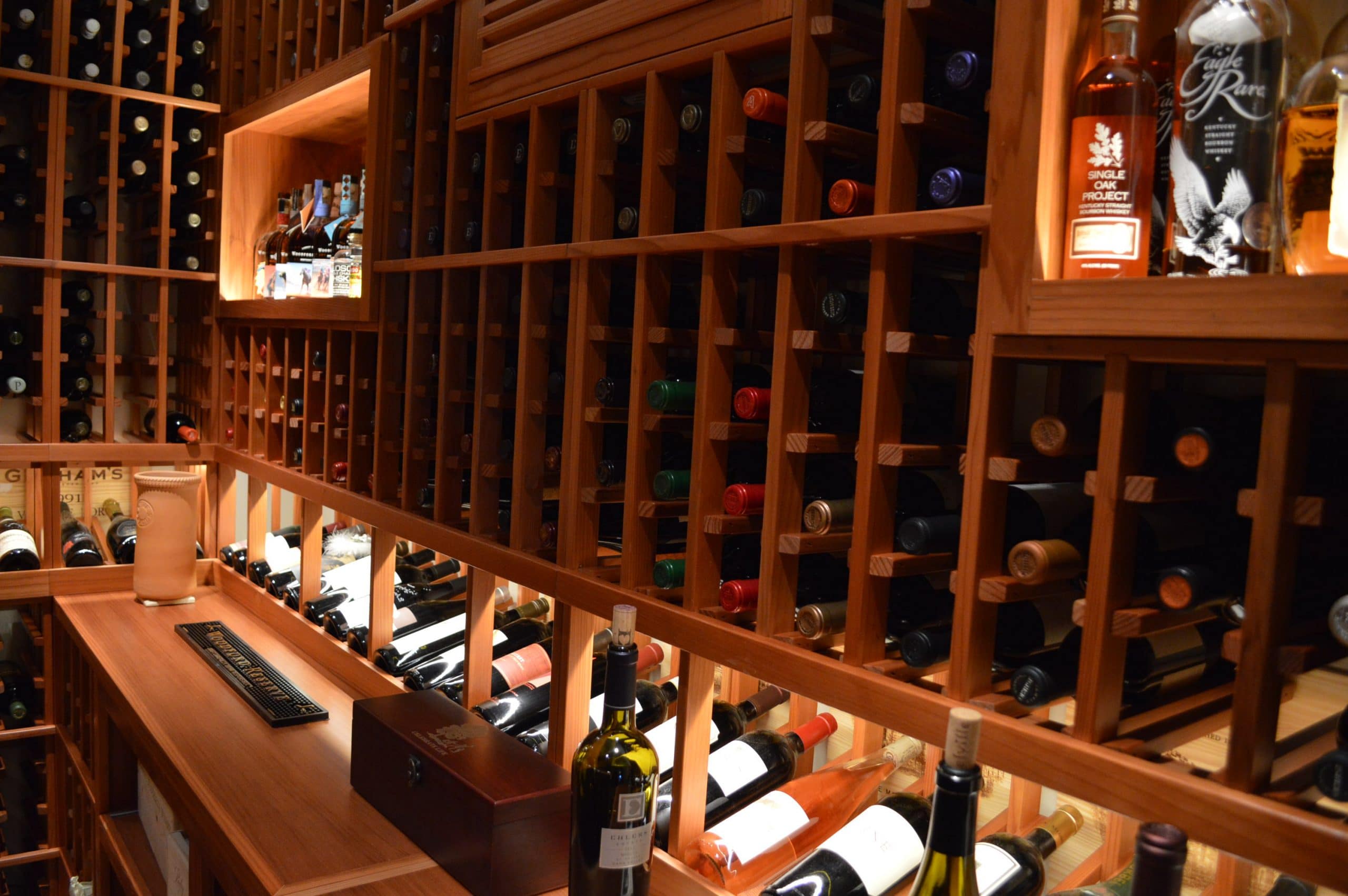
 The importance of a constant climate-controlled environment for proper wine storage cannot be overemphasized! Wine, unlike other beverages, is easily damaged when stored in a room that is hot and dry. You cannot invest in equipment to keep your wine cellar cool without thinking about how to make sure it’s also adequately humid. Coolness and humidity are essential factors to keeping your favorite vintages at their best quality.
The Ideal Wine Storage Setup: Correct Temperature and Humidity Levels
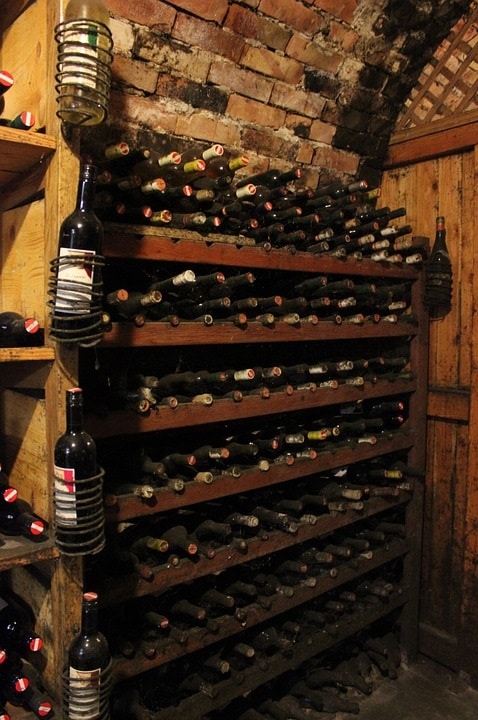 Centuries ago, winemakers built wine cellars underground. In fact, the earliest wine cellars were caves. It is the temperature and humidity in those caves and underground storage places that builders are trying to achieve when they construct residential and commercial wine cellars today.
Most people know how important coolness is to wine storage. But, a lot of people overlook the importance of humidity in the wine room. Ideally, wine cellars should have a relative humidity of 50% to 70%. Together with an ideal temperature that is within the range of 45 to 55 degrees Fahrenheit, this humidity level creates a cool and damp environment perfect for storing wines.
We’ve established that a humid environment is just as necessary as coolness when storing vino. But, still this question remains: Why is humidity so important to wine storage?
The Role of Humidity in The Proper Storage of Wines
 After fermentation, wines are bottled and sealed. Most winemakers put their products in a glass bottle and seal it with a natural cork. This seal, provided by the cork, should be perfectly dependable in managing the amount of oxygen that enters the bottle. If the wine is exposed to too much oxygen, it can get spoiled. Too little oxygen might delay or inhibit the maturation process of the vino.
 Cork is the popular choice for sealing wine bottles because it expands to prevent leaks. But, in order for it to expand properly, cork has to be kept moist. This is one of reasons why the humidity in your residential custom wine cellar should be kept within the ideal range. If the humidity in the wine room is too low, the bottle corks might shrink. An over-shrunk cork will allow entry of air into the bottle and damage the wine.
A cellar that is too humid is not good either. Too much humidity can lead to mold forming on your corks, labels, and everywhere else in the storage facility. This is definitely not a good thing, especially if your wine gets contaminated with mold!
I Have a Cooling Unit. Do I Really Need a Humidifier in my Wine Cellar?
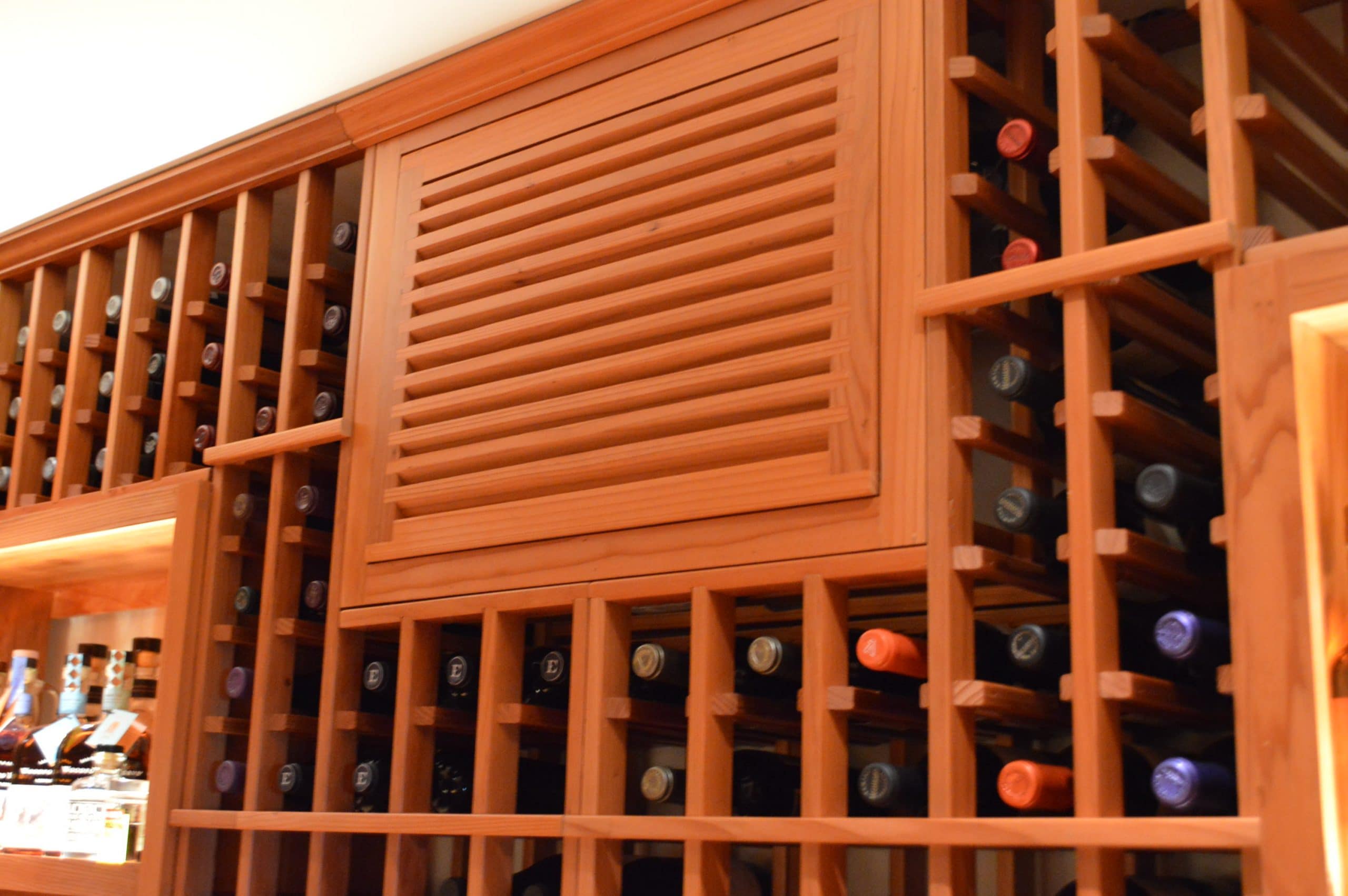 A robust HVAC system is necessary to create an ideal wine storage facility. But, most cooling units have a tendency to remove humidity from the air. Many refrigeration equipment manufacturers claim that their products can manage humidity. But, most of the time, what these cooling units can really do is simply reduce rather than increase the level of humidity in the cellar.
It is very important to consider the climate in your region as well. Some locations are more humid than others. Those with a highly humid climate can offset the drying effect of the refrigeration system. But, if your home cellar is in a region that is markedly dry, you most definitely will need to install a humidifier.
Choosing the Right Humidifier for Your Residential Custom Wine Cellar
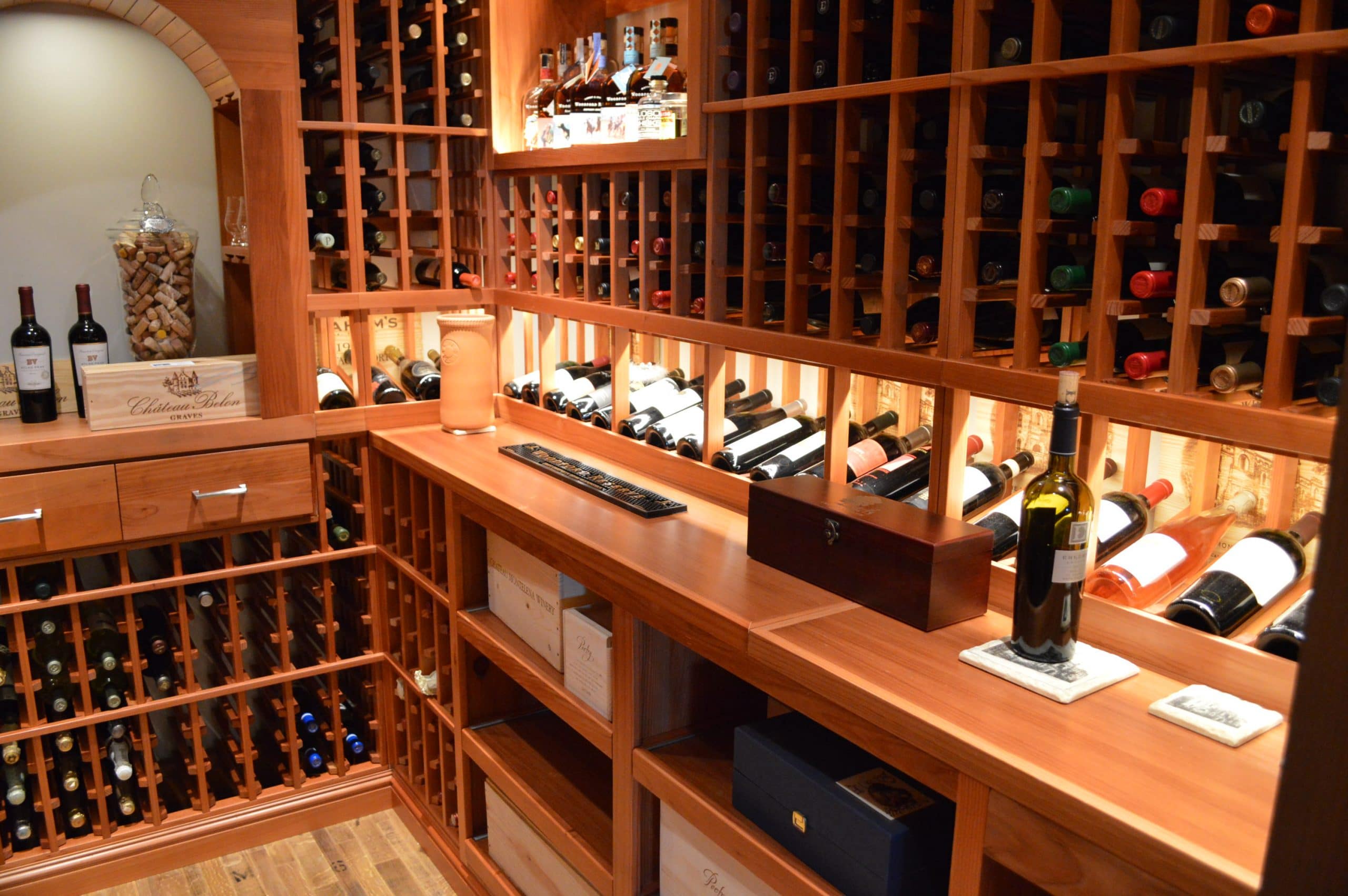 There is a plethora of humidification systems on the market that range from humidifying equipment that you can add as an upgrade to your existing cooling unit, to decorative humidifier fountains.
When choosing a humidification system for your cellar, here are the factors you need to consider:
1. Humidification Unit Capacity
When choosing a humidifier, it’s imperative that you first collect the right measurement of the dimensions of your wine cellar. The humidifying system you choose should be dependable in maintaining the correct level of Relative Humidity (RH) that is proportional to the size, construction materials, bottle capacity, and other characteristics of your wine storage facility.
 2. Control System
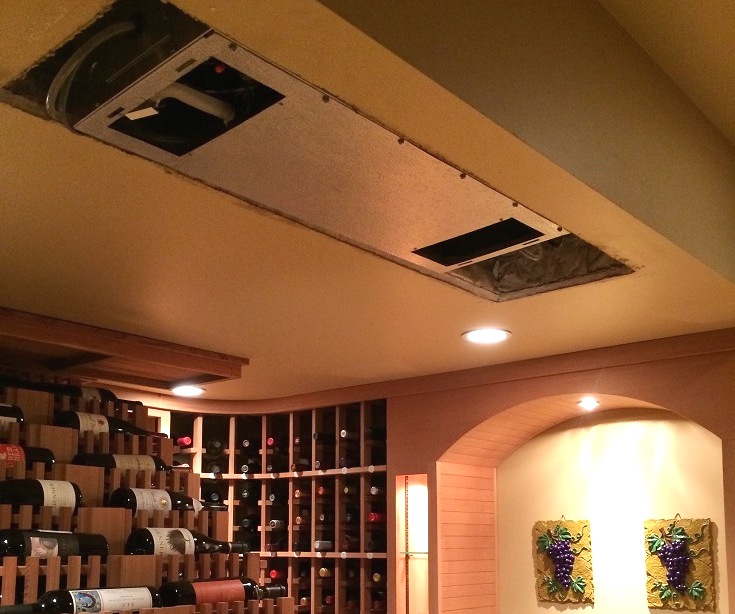
Choose a humidification unit that is completely automatic. You should not need to adjust the humidistat regularly just to maintain the humidity at the right level. Automatic humidifiers self-regulate according to need. As the level of humidity in the cellar changes, the amount of moisture that the equipment produces adjusts accordingly.
3. Quality and Durability
Because of the high level of moisture in refrigerated storage structures, it is vital that the humidifier you install is made of robust materials that are rust-proof and corrosion-proof.
 4. Check for Maintenance Procedure
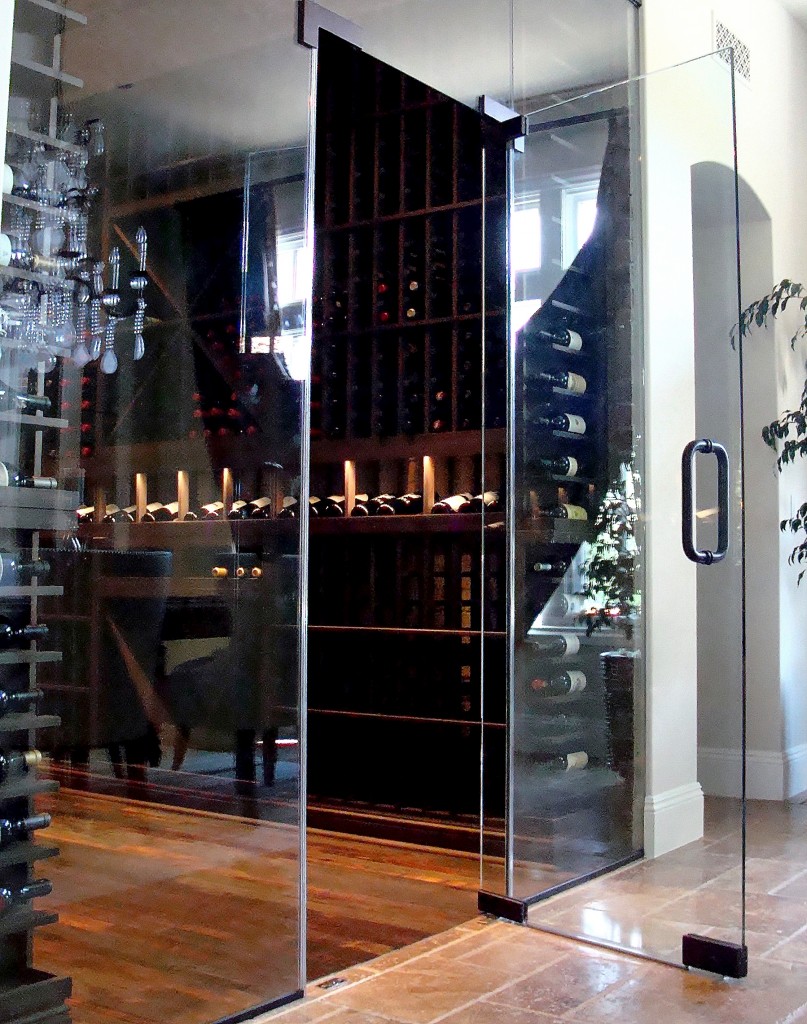
Most wine storage experts recommend installing a humidifier that does not require manual filling. You can also choose to install a humidification unit that has drains to flush out minerals and other wastes. A good humidifying system is one that only needs an average of one or two maintenance checkups every year.
5. Safety
An ideal wine cellar humidifier is one with a wetted pad design. This type of humidification system releases humidity to the wine room via vapor. The primary advantage of this design is that the unit does not emit bacteria or white dust particles into the air.
Wine Storage Expert Needed
Managing the humidity in your residential wine cellar is a crucial factor to preserving and aging your favorite vintages. This is why you need to work with trustworthy storage professionals when building your wine room.
Custom Wine Cellars San Francisco is one of the leading builders in California with over a decade of experience in constructing dependable storage facilities. Contact us today, and let’s discuss the design and construction of your home wine cellar! Click here!